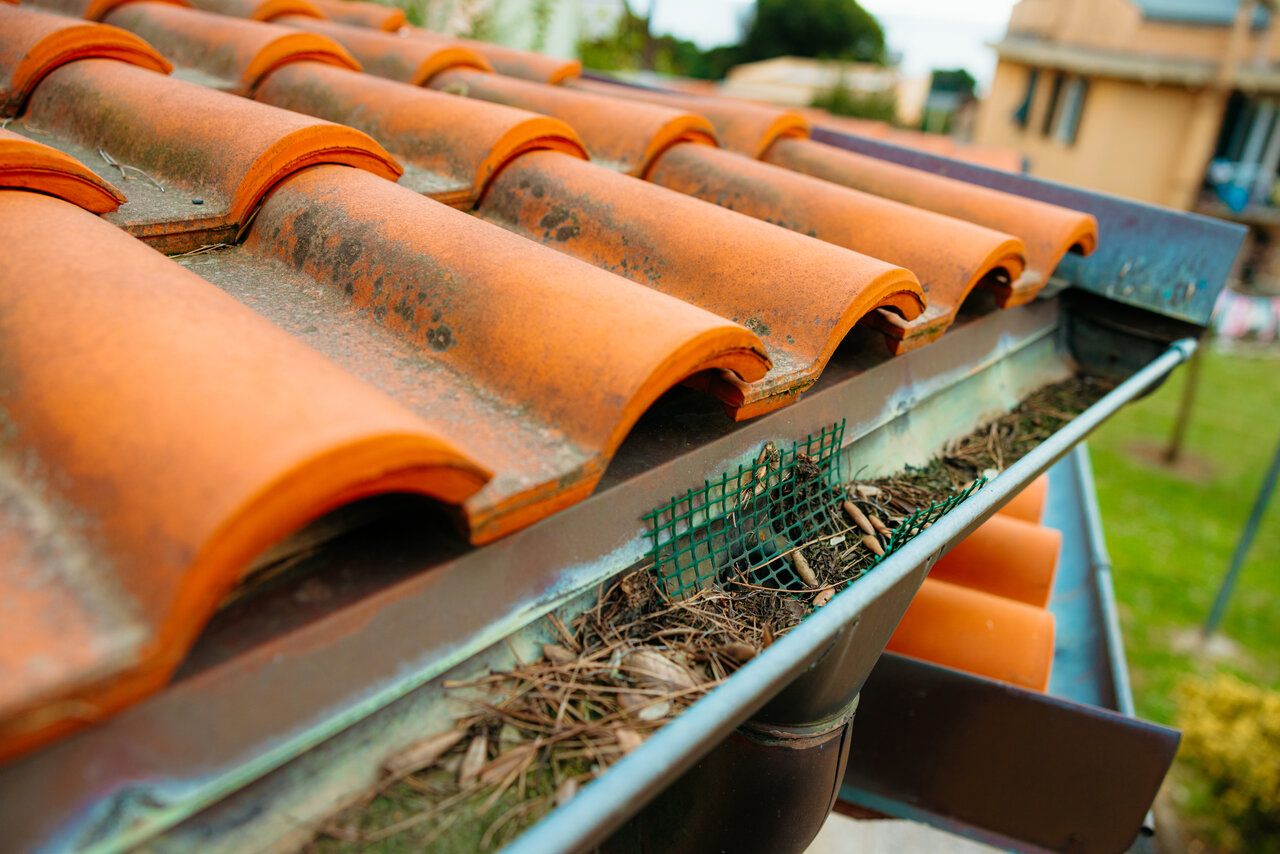
Gutter maintenance may not top your home to-do list, but neglecting it comes with steep consequences. A clogged gutter isn’t just an inconvenience—it’s a slow-building, expensive problem that can quietly damage your roof, siding, foundation, and even the interior of your home. If you’ve been putting it off, now might be the time to seriously reconsider.
What Happens When Gutters Are Left Unattended
Clogged gutters don’t simply stop working—they actively cause harm. When debris builds up, water has nowhere to go. Instead of flowing through the downspouts, it spills over the edges, seeps into siding, and pools around your foundation. That moisture doesn’t stay outside for long.
From warped fascia boards to stained interior walls and cracked basement floors, the impact can be surprisingly extensive. And while a backed-up gutter may seem like a minor nuisance, even a single season of neglect can start this domino effect. Regular upkeep like rain gutter cleaning in San Diego is one of the most cost-effective ways to prevent major repairs down the line.
The Real Cost of Waiting
Delaying gutter cleaning might feel like saving money—until the repair bills arrive. Here’s a breakdown of what those costs can actually look like if cleaning is overlooked:
- Roof repairs: Overflowing water can weaken shingles, cause leaks, and rot roof decking. Depending on damage, repair costs can range from $300 to $1,000+.
- Foundation damage: Standing water around your home’s base can lead to cracking, shifting, or settling. Foundation repairs often start at $2,000 and can exceed $10,000.
- Gutter replacement: A neglected system filled with debris can bend, detach, or break under pressure. New installations average between $1,200 to $2,500 for a standard home.
- Interior water damage: Stained ceilings, bubbling paint, and warped flooring can follow. Water damage remediation can cost $1,500 to $5,000 or more.
In comparison, regular cleaning—typically averaging $150 to $250 per session depending on the property—offers far greater value. If your home is surrounded by trees or sees seasonal storms, cleaning should be scheduled at least twice a year.
Signs You’ve Waited Too Long
While some damage may go unnoticed until it’s advanced, here are warning signs that your gutters are past due for cleaning:
- Water overflowing during light rain
- Sagging or detached gutters
- Streaks or mildew on exterior walls
- Pooling water near the foundation
- Visible plants or moss growing from the gutters
If any of these sound familiar, it’s not too late to address the issue—but waiting further increases the risk and the expense.
How Professional Cleaning Helps
Hiring a professional goes beyond clearing leaves. An experienced team inspects the entire system to catch early signs of damage or wear. They’ll safely remove clogs, check for leaks, ensure downspouts are draining properly, and even secure brackets or slope misalignments that may be impacting performance.
Working with a local provider for rain gutter cleaning in San Diego also means your service is tailored to the regional climate. Frequent wind and coastal storms can lead to faster debris buildup, so scheduling based on seasonal conditions—not just the calendar—is important.
Why DIY Isn’t Always the Best Choice
Gutter cleaning can appear straightforward, but climbing ladders with tools in hand brings more risk than most homeowners expect. In fact, ladder-related falls send thousands of people to the ER each year. If your roofline is high, steep, or awkwardly shaped, that risk increases.
There’s also the matter of tools. Gutter scoops, extension poles, safety gear, and stabilizers aren’t cheap—especially for something you may only do once or twice a year. And without proper technique, you could damage the gutters or miss underlying issues that worsen over time.
While DIY may work in some situations, most homeowners find professional service both safer and more thorough.
Planning Maintenance Around Your Home
Every home is different, but here’s a general guide to frequency:
- Surrounded by trees? Clean every 3–4 months.
- Experiencing regular coastal storms? Clean seasonally, or more if storms are heavy.
- Minimal tree coverage? Twice a year (spring and fall) may be sufficient.
For properties with older gutter systems or past water damage, inspections should be added to routine cleaning to catch early signs of problems.
Protecting Value Through Prevention
It’s not just about avoiding big-ticket repairs—clean gutters preserve your home’s value. Appraisers and home inspectors flag signs of water damage, poor drainage, and neglected maintenance quickly. A home with visibly overflowing gutters or deteriorated fascia boards can turn off buyers or lower your resale price.
On the flip side, clean, well-functioning gutters signal a home that’s been cared for. They’re a simple upgrade with big payoff—protecting everything from landscaping to structural integrity.
Choosing the Right Team for the Job
Not all cleaning services are created equal. When selecting a provider, look for those who offer:
- Full inspection of the gutter system
- Downspout clearing and flush
- Minor repairs or maintenance (like resealing seams or resetting brackets)
- Photos of before-and-after for transparency
- Insurance and safety protocols
At Woolley’s Gutter Experts, we specialize in residential rain gutter maintenance across San Diego. Our team focuses on long-term solutions, not just surface cleaning, so your gutter system stays reliable through every season.
Final Thoughts
Clogged gutters may not seem urgent—but left alone, they quietly create major damage. What could be resolved with one visit from a professional becomes a much bigger and more expensive issue the longer you wait.
Cleaning and maintaining your gutter system is one of the simplest ways to protect your home. It keeps water away from where it shouldn’t be, helps your structure last longer, and saves you thousands in avoidable repairs. And with professional help, it’s a task that can be done quickly, safely, and with far less stress.
If it’s been more than a season since your last cleaning, now’s the time to act—not react.