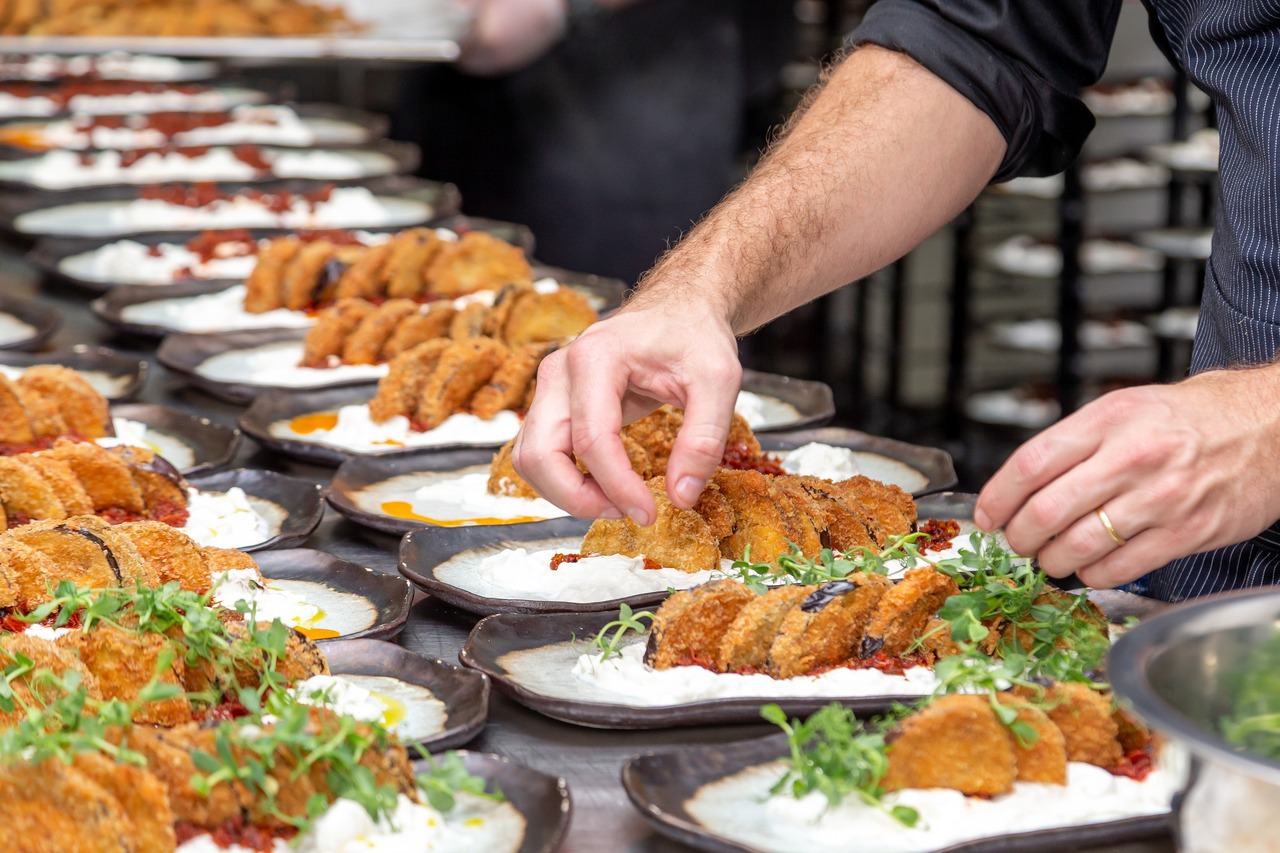
In the world of film and television production, feeding your crew isn’t just a line item—it’s a daily necessity that can make or break the on-set experience. Production teams face constant pressure to deliver under tight schedules, and the last thing anyone needs is a hungry or unhappy crew. But here’s the challenge: the cost of feeding 20, 50, or 100+ people adds up fast, especially when shooting stretches over several days or weeks.
From daily breakfast spreads to lunches, snacks, and late-night wraps, the catering budget can spiral out of control without proper planning. The demands are unique to the industry—early call times, long shoot days, diverse dietary needs, and unpredictable schedules. These factors create a dynamic environment that traditional caterers often struggle to handle efficiently.
Understanding how to deliver quality meals while keeping costs under control starts with smart decision-making around vendors, menu structure, and logistics. By focusing on the elements that truly impact your food budget, production teams can offer meals that satisfy without overspending.
The Real Cost of Feeding a Film Crew (and How to Cut It)
One of the biggest misconceptions is that more food equals better satisfaction. In practice, over-ordering often leads to waste—both of food and money. Likewise, choosing vendors who lack production experience can lead to delayed deliveries, inflexible menus, or meals that simply don’t hold up under set conditions.
This is why partnering with experienced hollywood caterers in los angeles makes a significant difference. Vendors familiar with the rhythm of set life know how to portion properly, adapt to location changes, and deliver meals that hold up for extended periods.
Here’s how to keep costs reasonable without compromising quality:
- Get Accurate Headcounts: Always confirm your numbers. Overestimating by more than 10–15% leads to unnecessary spend.
- Consolidate Orders Across Days: Ordering in blocks (e.g., 3-5 days at a time) lets you negotiate better pricing and reduce waste.
- Match Meals to Crew Activity: Not all team members work full days. Tier your meals based on hours and roles.
- Streamline Meal Times: Avoid staggered delivery times unless necessary. Consistency saves on logistics and vendor costs.
- Avoid Redundant Items: You don’t need full-size breakfasts and lunches every day. Lighter meals can fill gaps cost-effectively.
These principles can reduce your per-person cost without affecting crew satisfaction.
Building a Smarter Menu: Options That Work and Scale
Budget-friendly menus don’t mean cutting corners on taste or quality. Instead, they focus on efficiency, nutrition, and customization. The key is designing meals that can adapt to different palates and portion sizes without overcomplicating the prep.
Here’s a sample breakdown of cost-effective but satisfying meal options:
Breakfast Ideas:
- Breakfast burritos (meat & vegetarian options)
- Greek yogurt cups with fruit and granola
- Baked goods (muffins, croissants) with coffee and tea service
- Fresh fruit trays (low waste, easy to prep)
Lunch Ideas:
- Build-your-own grain bowls with rice, roasted vegetables, and proteins
- Pasta bars with interchangeable sauces and toppings
- Wrap and salad stations
- Stir fry or taco bowls with meat and plant-based options
Snacks & Craft Services:
- Protein bars, trail mix, and fruit
- Hummus with veggie sticks
- Popcorn or pretzels for crunch
- Hydration station with water, electrolyte drinks, and coffee
The trick isn’t novelty—it’s variety and modularity. Crew members like options, and rotating a few staples across the week is often better than offering a totally different cuisine every day.
Selecting the Right Vendor for the Job
Vendor selection directly affects your budget, schedule, and crew satisfaction. Working with a caterer who has experience in entertainment production means fewer logistical headaches. They know how to handle early morning setups, handle dietary restrictions, and adjust to last-minute changes in crew size or call time.
That’s where Crateful Catering earns trust. With deep roots in LA’s production scene, Crateful understands that feeding a crew isn’t about impressing with extravagance—it’s about delivering consistent, satisfying meals that meet real-world challenges. Their ability to scale menus, accommodate allergies, and show up on time with properly labeled meals is what sets them apart.
Look for vendors who offer:
- Clear, itemized pricing with no hidden fees
- Drop-off or full-service options depending on shoot type
- Experience with film/TV projects and familiarity with industry norms
- Menu flexibility for vegan, gluten-free, halal, and other needs
- Responsive communication for mid-production changes
Selecting the wrong vendor can drain your time and money. Choose one that aligns with your workflow and understands the pace of set life.
When to Splurge and When to Save
Not every meal needs to wow your crew—but some definitely should. Knowing where to invest a little more and where to trim back helps balance morale with spend.
When to Spend More:
- First Day of Shooting: Set the tone with a strong start. A hearty, well-planned meal shows your team they’re valued.
- Late Night or Overnight Shoots: These are tough on energy and morale. Provide warm, satisfying meals to keep spirits high.
- VIP or Client Visits: If investors or execs are on set, elevate the food offering to match the occasion.
Where You Can Cut Back:
- Midweek Meals: Once momentum is up, simple and familiar meals work fine.
- Light Breakfasts: Many crew prefer fruit and coffee over heavy options. Keep it minimal and efficient.
- Craft Services: Provide essentials, but skip overstocking unless you’re on long shoot days.
It’s about intentional planning. You don’t need a premium setup every day—just at the right moments.
Boosting Crew Morale Without Spending More
Food isn’t just sustenance—it’s how people connect on set. But boosting morale doesn’t require a bigger budget. Instead, focus on presentation, reliability, and inclusion.
Simple wins that matter:
- Clearly labeled meals (especially for allergens and dietary tags)
- On-time delivery, every day—nothing derails a shoot like a missing lunch
- Options for all dietary restrictions, not just one token vegetarian meal
- Clean, attractive setup even for basic meals—people notice the effort
When food is consistent and well-managed, it creates a sense of rhythm and care that reflects on the production as a whole.
Final Thoughts
Feeding your crew doesn’t have to drain your budget—but it does require intention. With smart planning, scalable menus, and vendors who understand the rhythm of production life, you can deliver meals that satisfy, energize, and respect your bottom line.
Whether you’re shooting a short, commercial, or multi-week series, it’s worth investing time up front to plan meals strategically. The return shows up not just in dollars saved, but in smoother days, happier crews, and fewer last-minute emergencies.