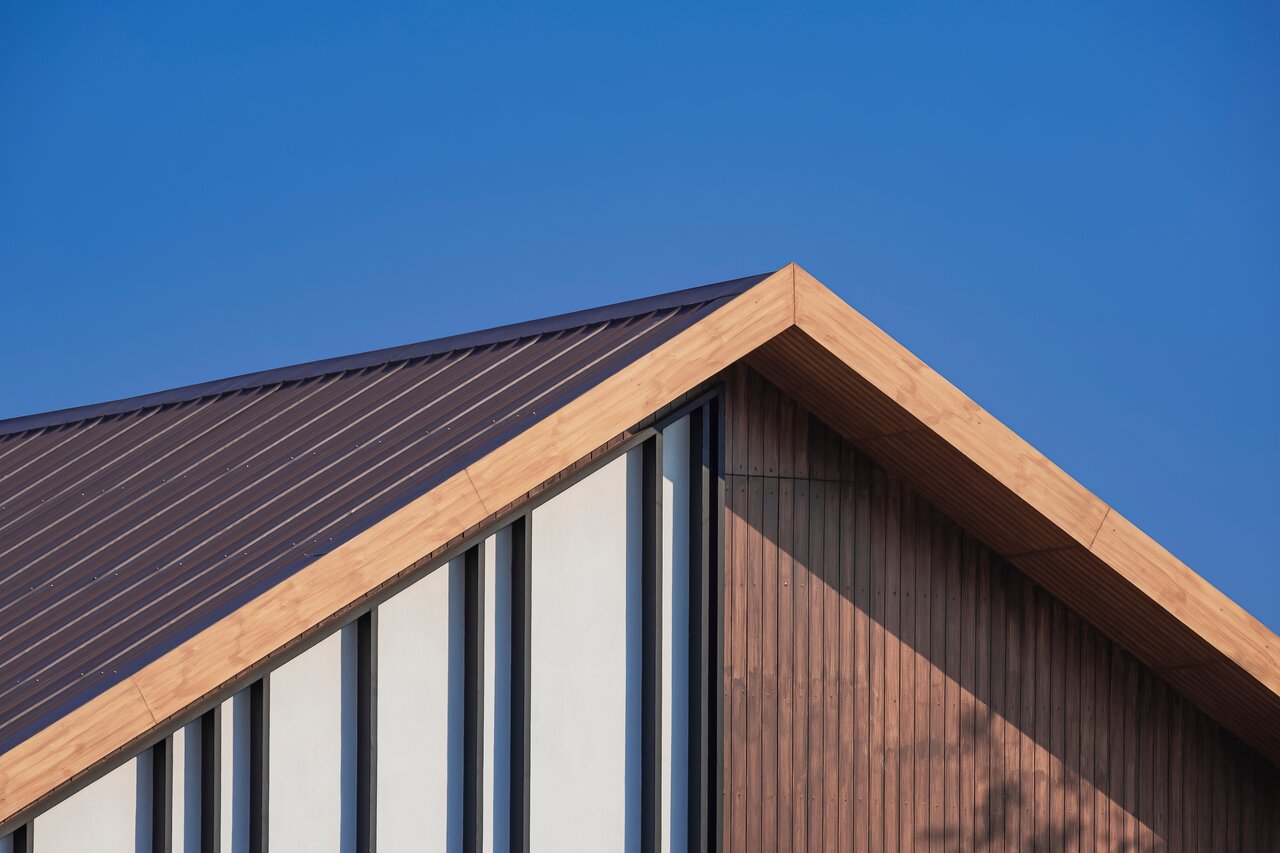
Seattle’s weather is known for its persistent rainfall, cool temperatures, and seasonal storms—all of which take a toll on traditional roofing materials over time. Homeowners and property managers in the Pacific Northwest often face a critical question: Is upgrading to a metal roof a smart investment in this climate?
In this article, we’ll examine the benefits and trade-offs of metal roofing specifically for Seattle-area properties—considering durability, cost-efficiency, energy performance, and long-term maintenance.
Why Metal Roofing Performs Well in Wet, Windy Seattle
Seattle sees an average of over 150 rainy days a year. That constant exposure to moisture means roofs need to be both resilient and low-maintenance. Metal roofs are increasingly popular here for their resistance to moisture damage, mold growth, and general weather-related deterioration.
To see real-world examples of how this material is used effectively in the region, take a look at Metal Roofing at Seattle Roof Systems for available installation options and service details.
Unlike other roofing systems, metal offers Seattle homeowners a reliable barrier against the elements without frequent repair needs. It also dries quickly, minimizing moss buildup and water pooling—two common issues on composite or asphalt roofs in this climate.
Seattle Roof Systems specializes in providing custom-fit metal roof installations designed to handle the Pacific Northwest’s challenging conditions.
Benefits of Metal Roofing in the Pacific Northwest
Here’s a breakdown of what makes metal roofing well-suited for Seattle’s environment:
1. Durability and Longevity
- Metal roofs can last 40–70 years depending on the material and installation quality.
- Unlike asphalt shingles, they don’t crack, warp, or curl under wet conditions.
- They resist pests, mildew, and rot—all common threats to wood or composite systems in damp regions.
2. Energy Efficiency
- Metal roofs reflect solar radiation rather than absorb it, which helps reduce heat buildup in summer months.
- Though Seattle is a cooler climate, efficient roofing still matters for reducing indoor heating costs by improving insulation and ventilation performance.
3. Low Maintenance
- Minimal debris retention and easy drainage reduce cleaning and moss removal.
- Coated steel and aluminum panels require little more than annual inspection to stay in top shape.
4. Fire Resistance
- Especially relevant in areas near wildland–urban interfaces, Class A-rated metal roofing systems offer non-combustible protection.
Common Misconceptions About Metal Roofing
Despite its many advantages, there are still several myths that lead some homeowners to overlook metal as a roofing option. Let’s clarify a few of the most common ones:
| Misconception | The Truth |
| Metal roofs are noisy in the rain | Modern metal roofing systems are installed with sheathing and underlayment that minimize sound |
| Metal roofs rust easily | Coated and galvanized options are designed to resist rust for decades |
| They make homes colder | Insulated panels and proper attic ventilation help regulate temperature just like any other roof |
| Metal is only for industrial buildings | Styles, colors, and textures are now available that suit traditional and modern homes alike |
Understanding these points is essential for making an informed, long-term decision.
Cost: Is the Upfront Price Worth It?
Yes, metal roofing comes with a higher initial cost than asphalt shingles or composite roofing—but that investment pays off over time through reduced maintenance and longer service life.
Long-Term Value Over Initial Expense
| Feature | Asphalt Shingle | Metal Roofing |
| Lifespan | 15–25 years | 40–70 years |
| Maintenance | Moderate | Low |
| Warranty Options | Often 10–20 years | Often 30–50 years |
| Energy Savings | Low | Moderate to high (reflective coatings) |
| Average ROI (Resale) | ~60% | ~85% |
If you’re planning to stay in your home long-term or want to avoid frequent roof repairs, metal becomes the more cost-effective solution after just one replacement cycle.
Sustainability and Eco-Friendly Roofing
Seattle’s environmentally conscious homeowners often look for green building solutions. Metal roofing aligns with this goal in several ways:
- Recyclability: Metal roofs are often made from recycled materials and can be fully recycled again at end-of-life.
- Lower landfill impact: Fewer replacements mean less roofing waste compared to shingles.
- Solar readiness: Metal roofs provide a stable, long-lasting base for mounting solar panels without compromising integrity.
This makes metal roofing not just a weather-smart decision, but a sustainable one as well.
Is It Right for Every Home?
While metal roofing performs well in Seattle, it’s not always the right fit for every property. Here are some considerations before you commit:
- Historic homes or HOA restrictions may limit the types of materials or styles you can use.
- Budget constraints might make asphalt a more accessible short-term option, though metal may still offer better lifetime value.
- Design preference matters—some homeowners prefer the traditional look of shingles, though metal options now come in styles that mimic shake, slate, or tile.
Consulting with a professional roofing provider can help you weigh these factors for your specific property type and long-term goals.
Final Thoughts
So, is a metal roof worth the upgrade in Seattle’s climate? For many homeowners and property managers, the answer is yes—especially when considering longevity, resilience to rain and wind, reduced maintenance, and improved energy performance. While the upfront cost is higher, the long-term savings and environmental benefits make metal a smart investment for the Pacific Northwest.